


 3354
3354 1
1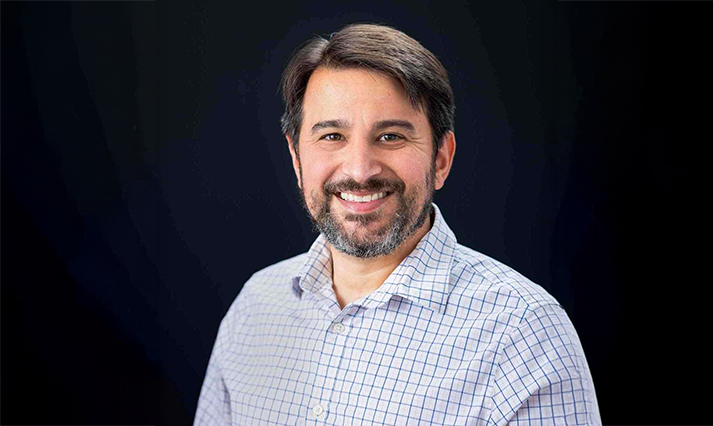
In Peachtree City, change doesn’t happen just because an idea sounds good. It happens when people organize, keep showing up, and refuse to let the conversation fade.
That’s the story Loyd Smith, president of the Peachtree City–Fayette Pickleball Club, tells about the long road to getting new courts approved. In his account, the effort began with frustration and a growing sense that the city wasn’t moving fast enough.
After voters approved the 2023 Special Purpose Local Option Sales Tax (SPLOST), which included money for new pickleball courts, months passed without visible progress. “The courts at Loghouse were constantly full and could not support the needs of players in Peachtree City,” Smith said. “There was just frustration. While the need for additional courts exploded in Peachtree City, the City Council did nothing.”
From Smith’s perspective, the numbers told the story. Peachtree City had six public courts compared to Griffin’s 18 and Newnan’s 15 (with more planned). Local players were driving to other cities to play and spending their money there instead of at home. “Why should Peachtree City players have to leave their city to play pickleball?” he asked. “And what about the teenagers who are starting to play? They don’t have the resources to travel elsewhere.”
Noise complaints from neighbors near the Braelinn Recreation Complex courts only reinforced his belief that relocation was necessary. “It was not just the play of pickleball that was loud,” Smith said. “Since pickleball is a very social game, the noise from players interacting with each other also added to the overall noise level. When I learned how close those courts were to homes, I knew relocation had to be part of the solution.”
According to Smith, he tried to move the idea forward by proposing new locations to Mayor Kim Learnard, but she declined. His next pitch to Parks and Special Events Director Quinn Bledsoe met the same result.
Rather than walk away, the club regrouped and adopted a more deliberate strategy. Members became a regular presence at City Council meetings—sometimes speaking, sometimes just listening—but always wearing club shirts as a show of unity. They used public comment to share examples from other cities and highlight Peachtree City’s shortage of courts. Over time, that consistent presence built familiarity, and familiarity built trust. Council members began to see the issue not as a niche interest but as a legitimate community priority.
Finally, Some Success
On August 7, 2025, City Council unanimously approved a $214,243.81 contract with Tarkett Sports for the design and construction management of 18 new pickleball courts at Meade Athletic Complex. For Smith and his club, it was a major victory—but also just the first step.
This vote funds only the design phase. Once the plans are complete and the final costs are known, the project will return to Council for a second vote to approve construction funding. Only then can work begin.
The original SPLOST allocation earmarked $770,000 for 12 courts. The scope has now expanded to 18 to replace the six courts at Braelinn that will be removed due to long-standing noise complaints. But according to Smith, the delay in moving the project forward has driven up costs. Over the three years since SPLOST passed, he said, construction prices have risen sharply, creating a funding gap that must be resolved before building can start.
Even with the uncertainty over final funding, Smith says the club will stay involved in shaping the project. “Peachtree City has hired a professional design/build contractor,” he said. “Our role will be to work with the city on items such as seating, shade canopies, and signage.”
A Blueprint for Future Advocacy
For Smith, the pickleball effort offers a model for how any community group can turn an idea into reality in Peachtree City. It starts with consistent presence and becoming a fixture at City Council meetings so leaders know who you are and understand your issue isn’t going away.
It also requires adaptability. When initial proposals went nowhere, the club changed its strategies, refined its message, and presented a stronger case. They stayed organized, stayed visible, and kept the conversation alive until they were heard.
This approach works for any local priority. Whether the goal is new parks, environmental preservation, or another issue, the formula is the same: be present, be patient, and keep the pressure on.
The Meade pickleball courts are more than just a win for local players. They are proof that in Peachtree City, meaningful change comes from people who are willing to keep showing up, keep making their case, and keep going even when the first answer is “no.” The process may be slow, but persistence turns ideas into action and action into results.



Leave a Comment
You must be logged in to post a comment.