


 702
702 0
0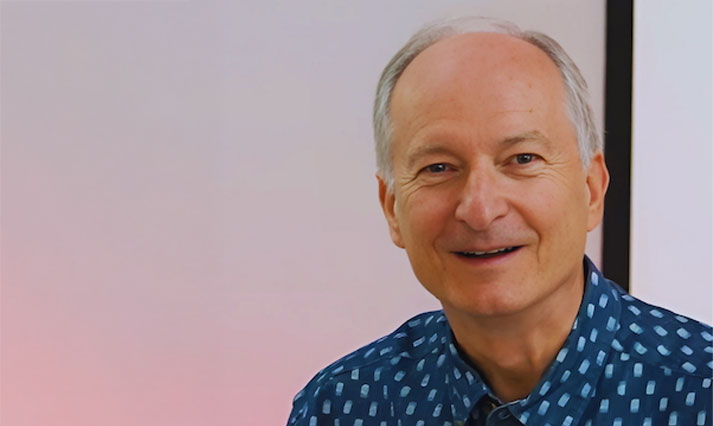
In a recent sermon, I encouraged the congregation to promote unity by avoiding negative talk, criticism, and gossip, the unproven, sometimes inaccurate or malicious information passed along by people who want you to think they’re “in the know.” Gossip is destructive to the church, erodes the fellowship, and undermines God’s activity.
Church growth guru Thom Rainer wrote, “ . . . few things can destroy the unity of a church like gossip. A unified church is powerful. Gossip tears apart that unity and renders a church powerless.”
The New Testament book of James addresses the power of the tongue (see 3:3-10). James 3:5 reads, “See how great a forest a little fire kindles! The tongue is a fire.”
I heard about a woman who was convicted after the pastor preached on the power of the tongue. She came forward in tears at commitment time and told him, “I want to lay my tongue on the altar.”
The pastor messed up and spoke before he thought and said, “Sister, there ain’t no altar big enough for your tongue!”
It could have been a man who wanted to lay his tongue on the altar. Some of the biggest gossips I’ve known are men, so we all are responsible to consider carefully the words that roll off our tongues.
Words matter because they have tremendous power. Our words can build people up or tear people down, can heal or wound, can unify or divide. They can inspire or manipulate.
As Proverbs 18:21 reads, “Death and life are in the power of the tongue.”
American author Jessamyn West said, “A broken bone can heal, but the wound a word opens can fester forever.”
Two recent examples demonstrate words can have drastic consequences. In February, an 11-year-old girl took her own life in Gainesville, Texas, after being subjected to relentless bullying by classmates over her immigration status. Her peers taunted and frightened her, telling her that her parents could be deported and she’d be all alone.
Joselyn Rojo Carranza, a student at Gainesville Intermediate School, took her own life. She died five days after her mother found her unresponsive at home.
The second example occurred one recent Friday afternoon at the Center for Disease Control and Prevention in Atlanta. Patrick Joseph White broke into his father’s gun safe, travelled across Atlanta, and brought five firearms with him. White found a perch with a direct line of sight to the campus, and eventually fired nearly 500 rounds, 200 of which hit six different CDC buildings. In the process, he killed Dekalb County Police Officer David Rose before taking his own life.
Investigators revealed White expressed discontent with the Covid-19 vaccine in written documents found in his home. Georgia Bureau of Investigation director Chris Hosey stated, White “wanted to make the public aware of his distrust of the vaccines.”
In interviews and on social media, some CDC employees expressed disappointment and anger at ongoing criticism and misinformation they felt may have led to White’s escalating frustration that ultimately resulted in the attack. They pointed out words have consequences.
Former Surgeon General Jerome Adams, now distinguished professor at Purdue University, wrote, “While there is still much we do not know, one thing is clear: This tragedy is not an isolated event. It is a dire reflection of the ever-escalating threats public health workers face in a climate increasingly shaped by misinformation, politicization, and inflammatory rhetoric.”
Though this is an extreme case, and reasonable people know violence is not the answer to any frustration, many others could have been harmed or killed. Thank God no one else was hit.
Unfortunately, people do crazy things in this fallen world. These events and multiple others remind us vividly that this world desperately needs Jesus, doesn’t it? The words we speak should point people to Jesus.
Let’s realize the power of our words and be careful to use our words wisely. As Proverbs 12:18 reads, “The words of the reckless pierce like swords, but the tongue of the wise brings healing.”
Do our words honor Christ? Do our words bring healing?
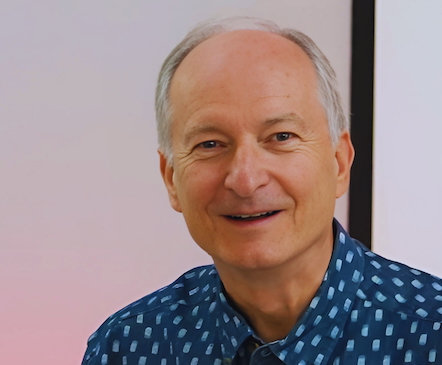
(David L. Chancey lives in Fayetteville, Georgia, and serves as transitional pastor at Eagle’s Landing Baptist at Griffin, Griffin, Georgia. He enjoys preaching, writing, and time with family. See more of his writing, including his books, at www.davidlchancey.com).




Leave a Comment
You must be logged in to post a comment.