


 2667
2667 0
0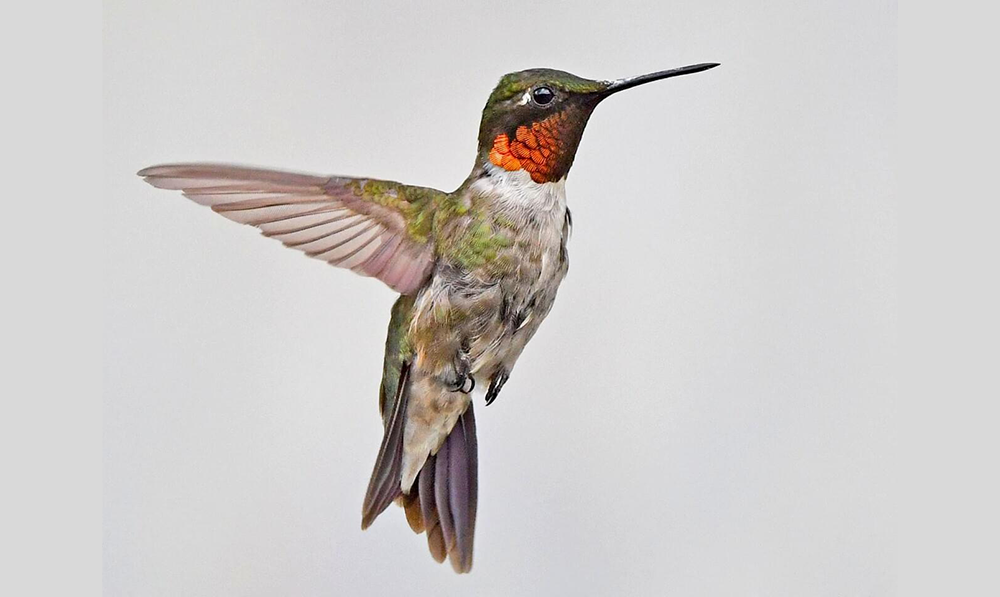
Fun Fact: According to the International Ornithologists Union (those who study birds), there are 366 hummingbird species in the world, the second largest family of birds after flycatchers!
Years ago, I lived in the foothills of San Diego County, amid citrus and avocado groves. I started noticing the abundance of hummingbirds in the area and decided to set up some feeders. I started with two and eventually expanded to six 32 oz. feeders in my backyard. The hummingbirds were so plentiful in my area in the summer, that every feeder was completely emptied each day by the time I came home from work! Dozens of hummers were buzzing around frantically, waiting for me to make up a new solution of water and sugar.
I purchased 50 lb. bags of sugar at Costco to keep up with my large family of hummingbirds who frequented my garden in the summer in San Diego. I was often stung by bees that hid under the feeders to get some of the sugary solution.
The hummingbirds that gathered together around my feeders were loud! The buzzing, humming sound is made by the rapid beating of their wings, which can range from 50 – 200 times per second! Being territorial, the birds dive-bombed each other when defending one of the feeders, or when doing an impressive dance to attract a mate.
In California, we enjoyed Allen’s, Anna’s, Costa’s and Black-chinned hummingbirds. Anna’s hummer was a year-round resident and kept me company during the winter months.
Here in Georgia, our most familiar and most numerous hummingbird is the Ruby-throated (Archilochus colubris), identified by the male’s stunning ruby-red throat (gorget). The red is beautifully matched with a metallic green back and green head crown. Like most bird species, the female’s appearance lacks the “bling” of the male. The female Ruby-throated hummer has a bright green back and a dull white throat. The Ruby-throated is the only hummingbird to breed east of the Mississippi. While most Ruby-throated hummingbirds spend their winters in Mexico and Central America, an increasing number are deciding to stay put and winter in the southern states, including Georgia.
It is the female who does all the work building nests for their future off-spring, out of leaves, moss, ferns and fibers from trees. Typically the female will produce two bean-size eggs and will raise the chicks alone, without any help from their male companion. (Obviously “women’s lib” has by-passed the hummingbird population!)
Adding a hummingbird feeder or two to your garden during the year, will hopefully, over-time, attract these astonishing aerial acrobats for you to enjoy. How to attract hummers to your garden:
- Place a red-trimmed feeder (the birds are attracted to the color red) in an area where you can enjoy watching the show.
- Fill the feeder with a well-mixed solution of three-parts water to one-part sugar. Use pure, granulated sugar and not honey or artificial sweeteners.
- Do NOT mix in red dye with the solution, because it is potentially harmful to hummingbirds.
- Regularly clean the feeder and change out the solution, especially in the heat of the summer, to keep the solution from spoiling and the feeder from becoming mildewed.
- Add pollinator-plants, that hummingbirds, love to your garden, including fushia, cardinal flower, trumpet vine, foxglove, zinnia, morning glory, orange butterfly weed, and lantana.





Leave a Comment
You must be logged in to post a comment.