


 261
261 0
0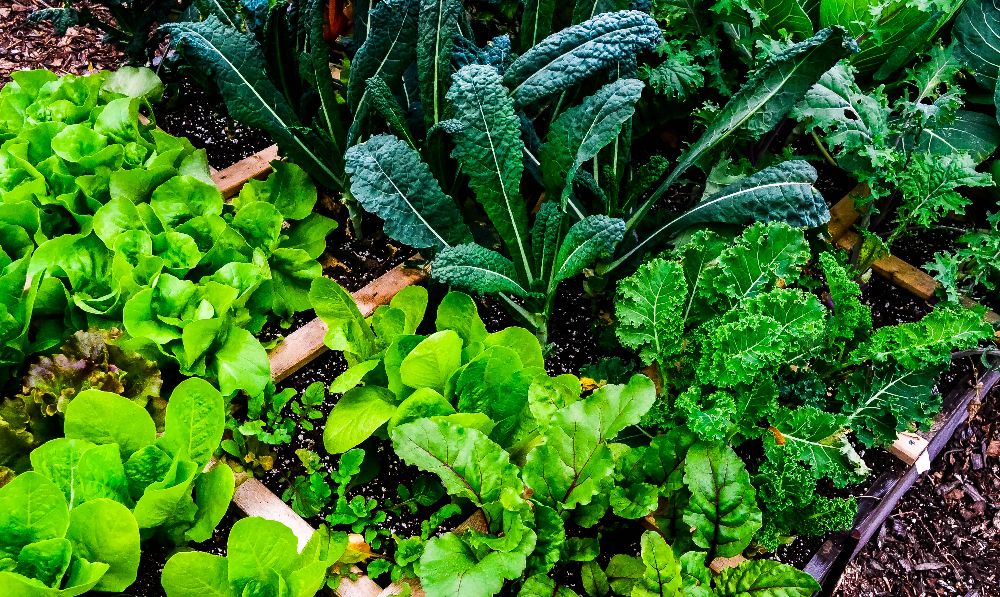
If you want to save money, teach your kids about nature, expand your options for fresh vegetables, or just enjoy a wonderful and rewarding pastime, start saving your vegetable seeds from this year’s crop and enjoy the “fruits of your labor” next harvest! Seed-saving is a long, established tradition, where people grow extra vegetables to harvest the seeds and then replant them next spring. The art of seed-saving helps to ensure we preserve our heirloom varieties and promote genetic diversity.
Tips to start seed-saving:
- If you are a beginner, start with plants that are easier to save seeds, such as tomatoes, peas, beans, peppers and lettuce.
- Save only seeds from open-pollinated varieties. Open-pollinated plants are fertilized by bees, moths, birds, bats, the wind or rain, or are self-pollinated. The seed that forms produces the same plant the following year. Since an open-pollinated plant always replicates the parent plant, you will be assured of harvesting the same standard vegetable from year to year. Many open-pollinated plants are called “heirlooms” because they have been around for decades and have been passed along for their exceptional traits, like flavor or disease-resistance. Avoid saving hybrid (F1) varieties, since the resulting plants may be different from the original parent plant and may not reliably replicate its favorable characteristics.
- Be patient and allow the seeds to fully mature before harvesting. Check online the variety you are saving to see what a fully mature seed looks like. You might need to leave the vegetables or fruits on the plant longer than you would typically do when harvesting to eat.
- Determine if your seeds are from dry-fruited or wet-fruited plants. Dry-fruited plants include beans, okra, peas – plants with pods. Let the pods dry and turn brown on the plant before harvesting. You can leave the seeds in the pods to store or you can choose to shell them from the pod and further dry before storing. Wet-fruited crops include tomatoes, squash and cucumbers. I like to ensure these plants are a little over-ripe before I take the seeds out of the pulp. Check online for harvesting and storing instructions for wet-fruited crops.
- The key to supplying healthy seeds for next year’s crop is to make sure seeds are thoroughly dried. Spread out your seeds in a cool, dry and dark location, in a single layer, on a dry and clean surface. Allow seeds to dry completely.
- Store seeds in airtight containers in a cool, dark place. Add a silica get packet to the container to ensure dryness. Label containers with the date of collection and the name of the plant.
- Many vegetable seeds will remain viable for up to five years if stored correctly, but to ensure optimal germination, plant your saved seeds within a year.
Did you know there are many vegetable plants you can grow in the fall? If you want to learn more about planting a fall garden, come to the Peachtree City Garden Club’s meeting on September 2 at 10 a.m. at The Bridge Community Center, 225 Willowbend Rd. in Peachtree City. Refreshments and socializing begin at 9:30 a.m. Mike Cunningham, owner of Country Gardens Farm, will sharing tips on planting a fall garden, and will have vegetable seedlings and his book on organic gardening available for sale. Guests are welcome.



Leave a Comment
You must be logged in to post a comment.